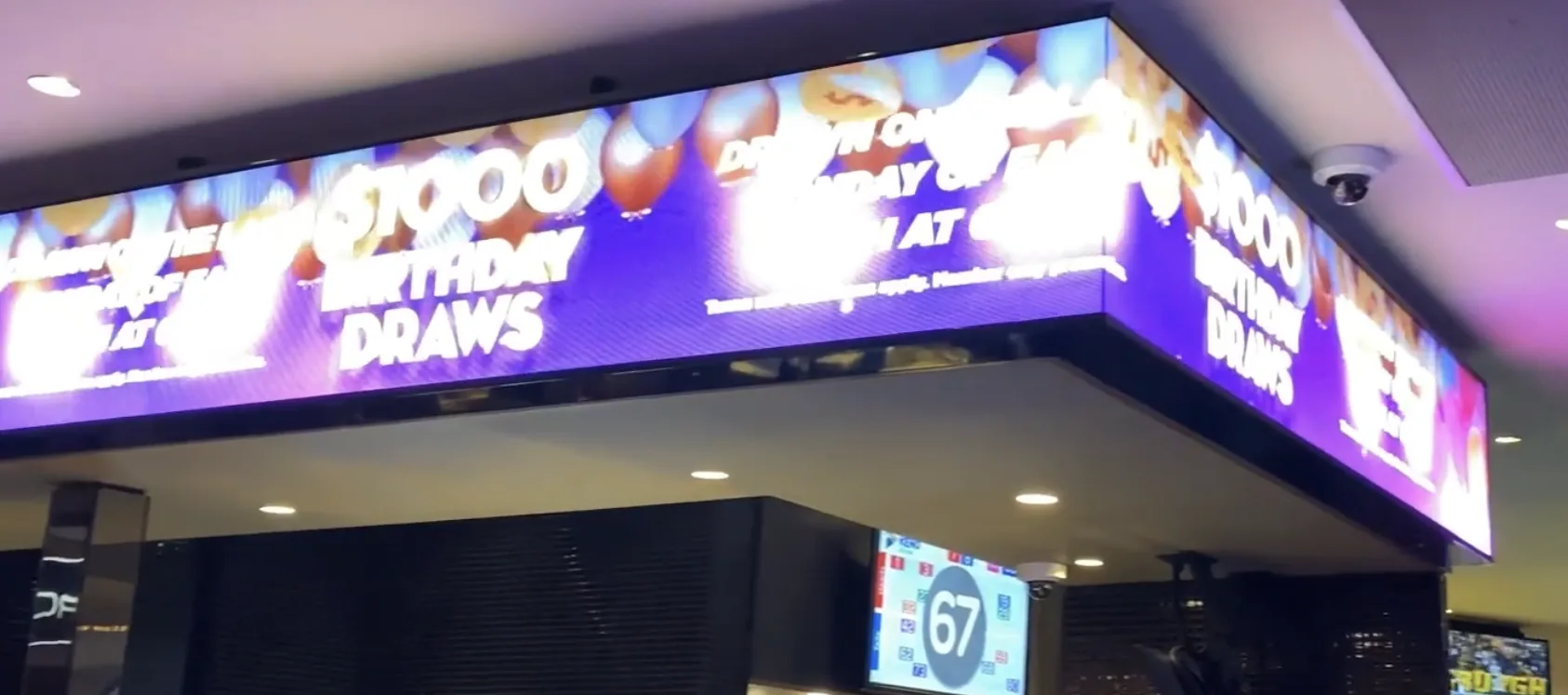
A Closer Look at LED Panel Displays: P-Ratios, Internal & External Usage
The single most misunderstood spec in LED signage is pixel pitch — the 'P' number you'll see quoted as P2.5, P4, P6 and so on. It's the distance, in millimetres, between the centre of one LED and the next. Smaller number, tighter pixels, sharper image up close. Bigger number, wider spacing, built for distance viewing. Getting this wrong is the fastest way to end up with a display that either looks pixelated close up, or costs far more than the room needed.
As a rule of thumb: the closer your audience stands, the finer the pitch needs to be. A panel wall behind a bar where guests are arm's length away wants a fine pitch — P2.5 or below — so individual pixels disappear into a single smooth image. A giant screen viewed from across a casino floor or an outdoor terrace can run a much coarser pitch at a fraction of the cost, because nobody's standing close enough to see the gaps.
Internal and external panels are built differently, and this is where a lot of installs go wrong when the wrong product is chosen to save money. Indoor panels are rated for controlled environments — no rain, no direct sun glare, moderate temperature swings. Outdoor panels carry an IP rating for water and dust ingress, run at far higher brightness (often 5,000+ nits versus 800-1,200 nits indoors) to stay visible in direct sunlight, and use conformal-coated components to survive humidity and temperature extremes.
Brightness needs the same care as pitch. A panel calibrated for a dim casino floor will wash out and look dull the moment it's placed near a window or outdoors. Conversely, an outdoor-rated panel run indoors at full brightness will overpower a room and fatigue the eye. Auto-brightness sensing, tied to ambient light, is the fix — and it's worth insisting on rather than treating as an upsell.
The practical takeaway: tell your supplier the viewing distance and the environment before you talk about the picture. Everything else — pitch, brightness, IP rating, even panel size — falls out of those two answers.
Frequently asked
- What pixel pitch do I need for a display viewed up close?
- For arm's-length viewing — behind a bar or in a shop window — aim for a fine pitch of P2.5 or below so individual pixels blend into a smooth image. Displays viewed from further away can use a coarser, cheaper pitch.
- Can an indoor LED panel be used outdoors?
- No. Outdoor panels need an IP rating for water and dust, much higher brightness (5,000+ nits versus 800-1,200 nits indoors) to stay visible in sunlight, and conformal-coated components to survive temperature swings — an indoor panel will fail quickly outside.
More from the blog
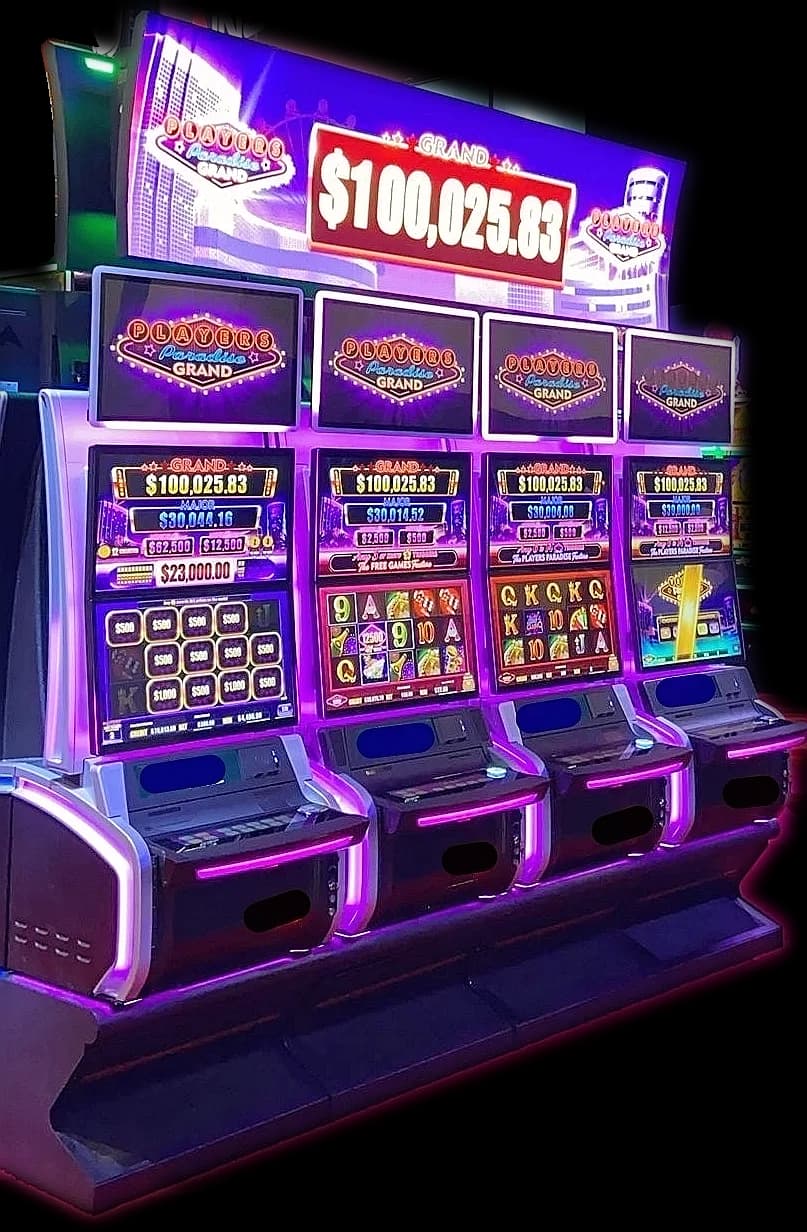
Maximizing Profits with Jackpot Signage: A New Trend in Casinos
Jackpot signage has quietly become one of the highest-leverage upgrades a casino floor can make. Here's why operators are rethinking the bank end.

LED Displays for Beginners
New to digital signage? Here's the plain-English version of what LED displays are, how they're built, and what to ask before you buy one.
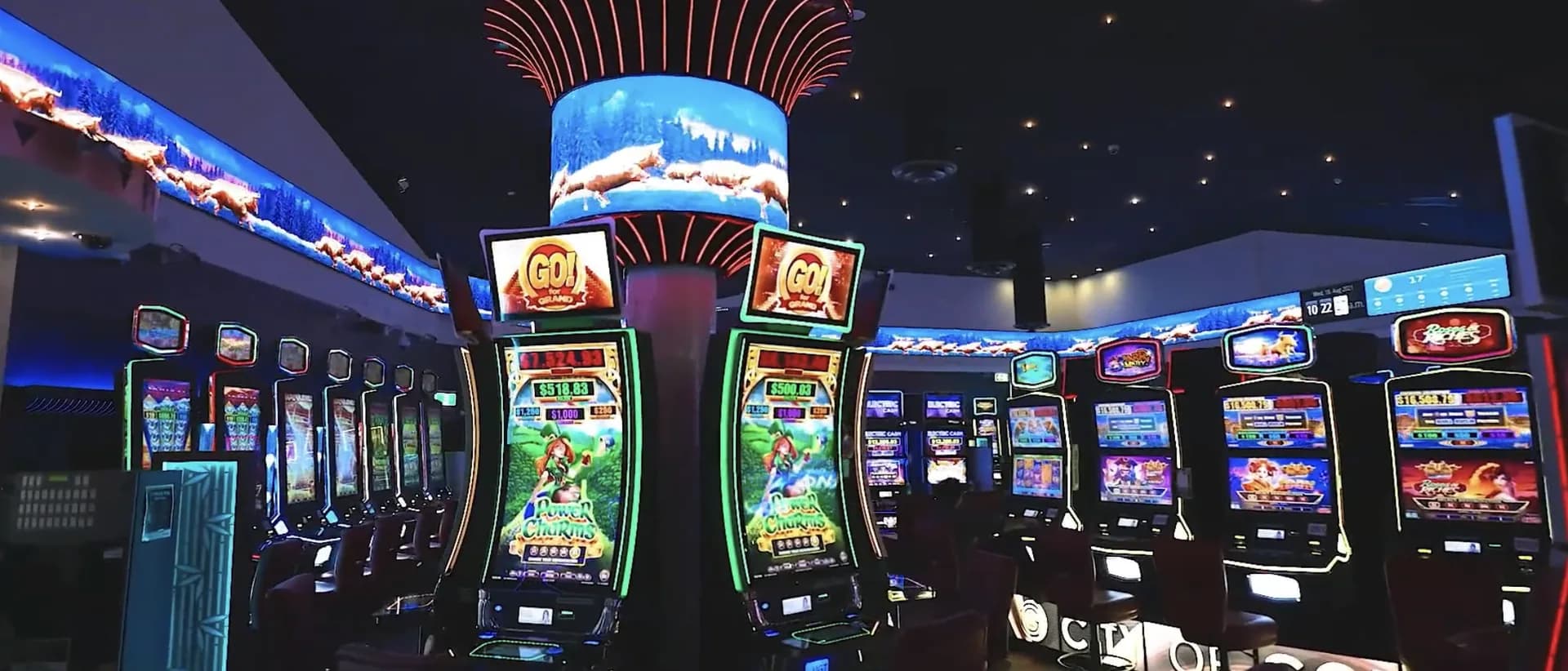
Why Are Casinos Rushing Into LED Displays to Transform Their Floors?
The casino floor has always competed for attention. LED is the first technology that lets operators change that competition on demand.
Ready to make your presence exceptional?
Tell us about your venue and we'll design a display system built around it.