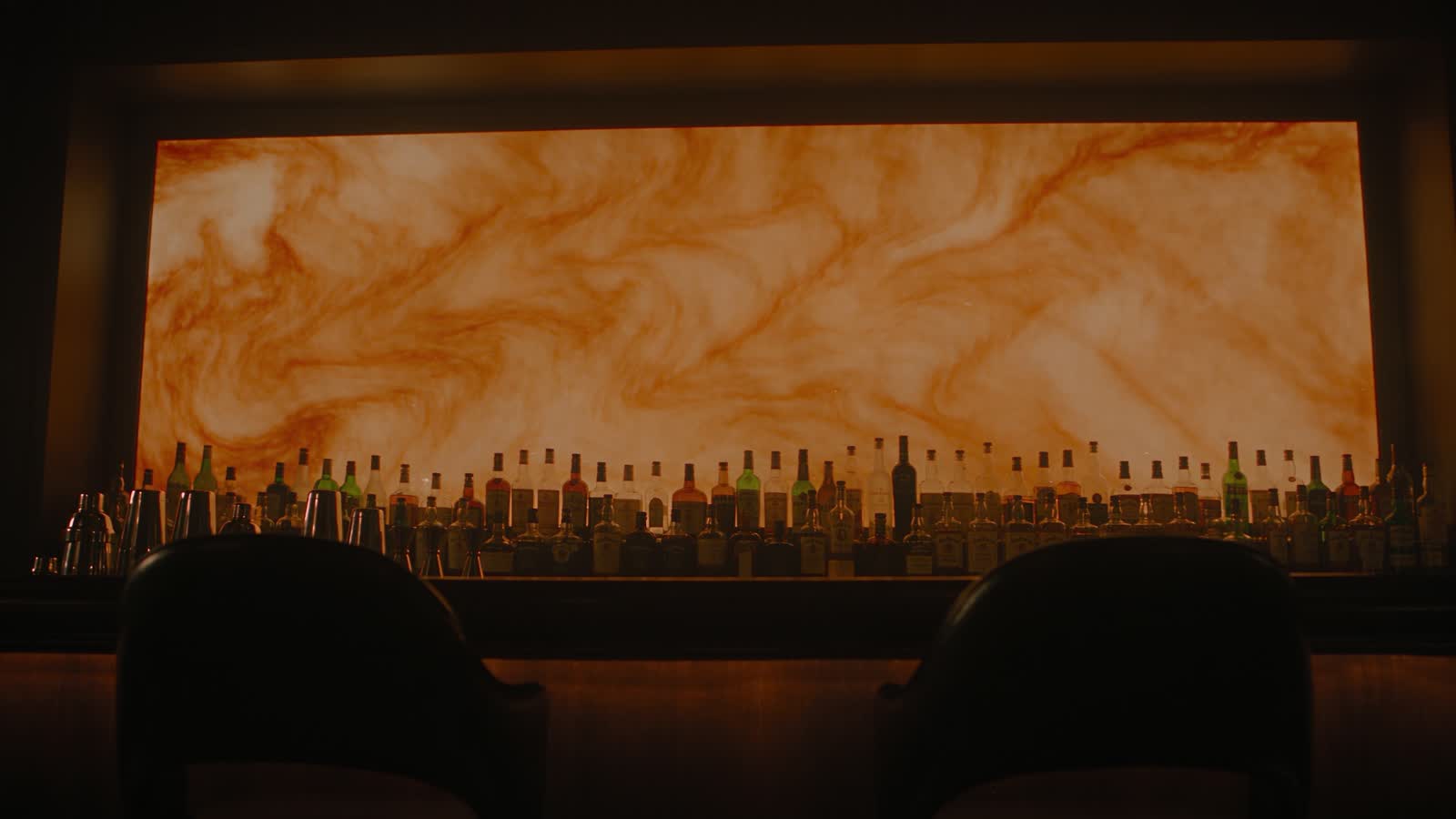
Technology meets good old-fashioned care.
The best venues still run on hospitality — ours just makes it easier to deliver. Digital wall displays, giant screens and outdoor systems that transform your venue at the push of a button, for any event, season or holiday.
One screen that shows the match, then becomes the room's whole atmosphere by ten o'clock.
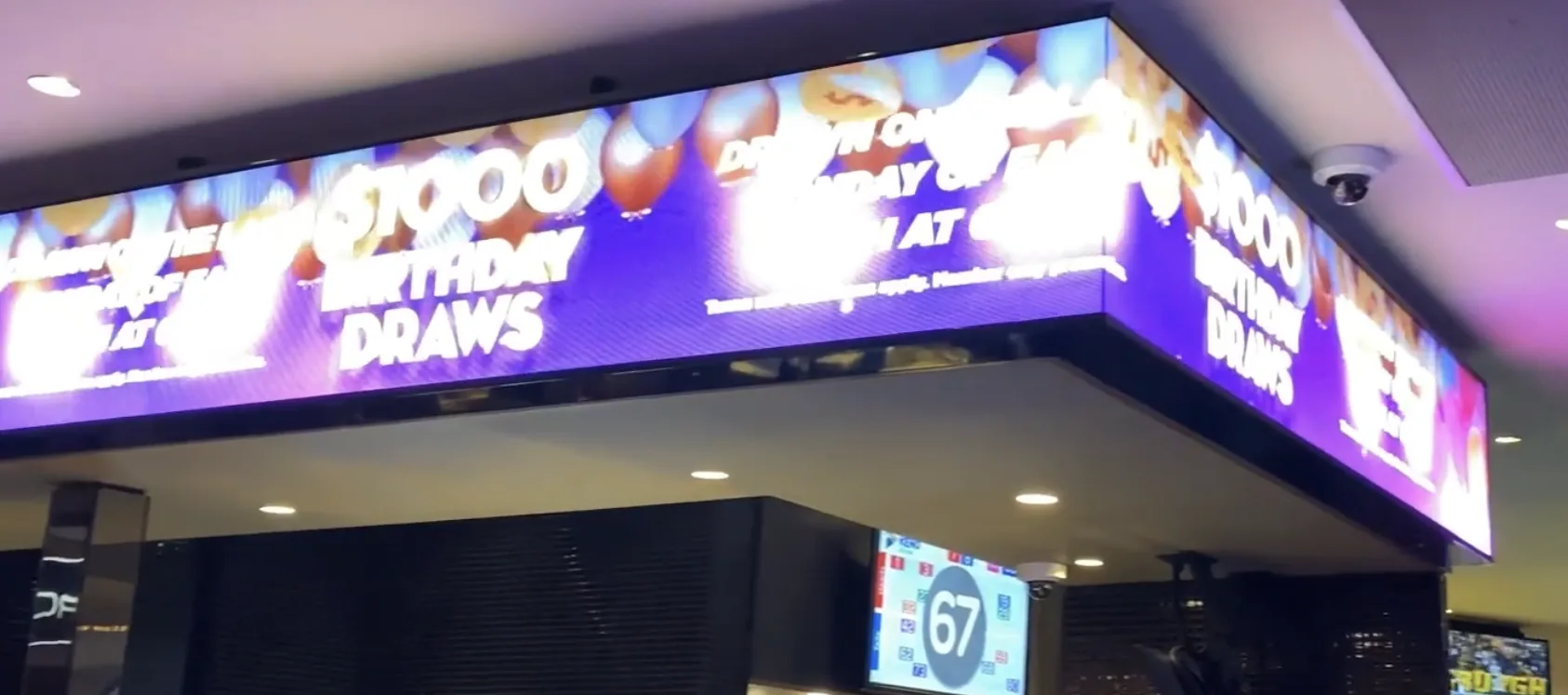
Wall Displays
Transform the entire feel of your venue in seconds — no ladders, no dusty decorations, no downtime between looks.
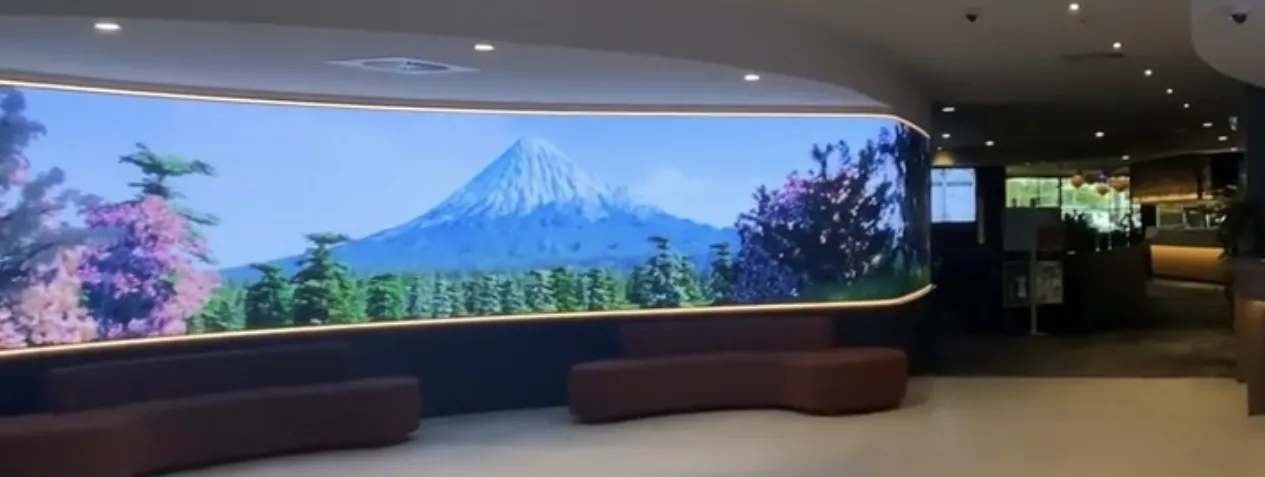
Indoor Giant Screens
No bar is complete without one. Show the match, show several matches, then retheme the whole screen for the next event on your calendar.
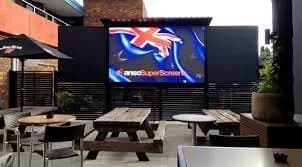
Outdoor Bar Screens
Built for the beer garden and the summer crowd — weatherproofed screens for live sport, live music, or a backdrop for the band you've booked.
A venue is several different rooms in one day
A bar at four in the afternoon and the same bar at ten at night are not the same business. Lunch trade, the match, the evening crowd, a function, a quiet Tuesday — each wants something different from the room, and most venues have historically solved that with lighting and hope.
A large display changes what is possible, because it is the only fixture in the room that can be a different thing at different hours. Sport when there is sport. A menu board and specials in the afternoon. Ambient content that makes the room feel warm and full at eleven on a wet Tuesday when it is neither.
That flexibility is the actual argument. Venues that treat a big screen purely as a television get a fraction of the value out of it, because it sits dark or on a holding graphic for most of the week.
Outdoor screens and the Irish weather
Beer gardens and covered terraces have become a serious part of the trade rather than a summer afterthought, and an outdoor screen is what makes them usable for sport.
The specification is genuinely different, not just a tougher box. Outdoor panels need IP65 sealing at the front and proper protection at the rear, high brightness — 5,000 nits and up — to compete with daylight, and an automatic brightness sensor, without which the screen that was barely readable at noon is blinding at eleven at night.
Fixing and wind loading matter more than people expect. A large flat panel in an exposed garden is a sail, and anything substantial needs a fixing design that accounts for it. This is the part of an outdoor install where a cheap quote and a competent quote differ most, and the difference is not visible until the first serious storm.
Sound, licensing and the quiet screen
Most hospitality screens run silent most of the time, and that shapes the content. If the room cannot hear it, the screen has to work visually on its own — which is why sport with a caption bar works and a muted advertisement does not.
Sound, where you want it, brings licensing and neighbour considerations that vary by venue and local authority, particularly outdoors and particularly late. Broadcast rights for showing sport commercially are a separate matter again and sit with you and your broadcaster rather than with a display supplier — worth confirming early, because the commercial subscription is often a larger line item than people expect.
None of this changes the hardware much. It changes the content plan, and it is better decided before the screen goes up than after.
Getting more than match days out of it
The venues that get real return here are the ones that decided in advance what the screen does on the days when there is no sport.
That usually means a small number of reliable modes rather than an ambitious content strategy nobody maintains: a sport mode, a food-service mode with the specials, an evening ambience mode, and a function mode for private hire. Four looks, scheduled, that someone behind the bar can switch between.
Private hire is the one most often missed. A room that can carry a client's branding, a wedding slideshow or a birthday message is a room that charges more for the hire, and that alone has closed the business case on more than a few installations.
Five questions to ask any supplier
Including us. These are the ones where a vague answer costs money later.
Indoor, covered, or genuinely exposed?
IP65 sealing, high brightness and an automatic brightness sensor are non-negotiable outdoors, and the fixing has to account for wind loading.
What does it show when there is no match?
Decide the three or four modes before you buy. Screens without a plan sit on a holding graphic.
Can staff change it without calling anyone?
If switching modes needs a laptop and a password nobody has, it will end up stuck on one loop.
Have you confirmed your commercial sport subscription?
Broadcast rights sit between you and the broadcaster, and the commercial rate is often a bigger line item than people budget for.
Does private hire change the business case?
A room that can carry a client's branding usually charges more for the hire. Worth pricing into the decision.
Work out your own numbers first
Free, no signup. You will get more out of a supplier conversation — ours included — if you walk into it already knowing roughly what you need.
Hospitality questions we get asked
- Can an LED screen be left outside all year in Ireland?
- Yes, if it is specified for it: IP65 sealing at the front, appropriate rear protection, high brightness with an automatic sensor, and a fixing design that accounts for wind loading. An indoor panel moved outside will fail, and a large flat panel in an exposed garden behaves like a sail — the fixing is where cheap and competent quotes differ most.
- How bright does an outdoor bar screen need to be?
- Typically 5,000 nits or more to remain readable in daylight. Just as important is an automatic brightness sensor: a screen bright enough for noon is genuinely blinding at eleven at night without one.
- Do we need a licence to show sport on it?
- Showing sport commercially requires the appropriate commercial subscription from the broadcaster, which sits between you and them rather than with a display supplier. It is worth confirming early — the commercial rate is frequently larger than venues budget for.
- Can staff change what is on the screen?
- They should be able to, and it is worth making this a requirement rather than an assumption. The practical pattern that works is a small number of preset modes — sport, food service, evening ambience, private hire — switchable from behind the bar without a laptop.
Ready to bring this to your hospitality venue?
Tell us about the space and we'll come back with a display concept built for it.