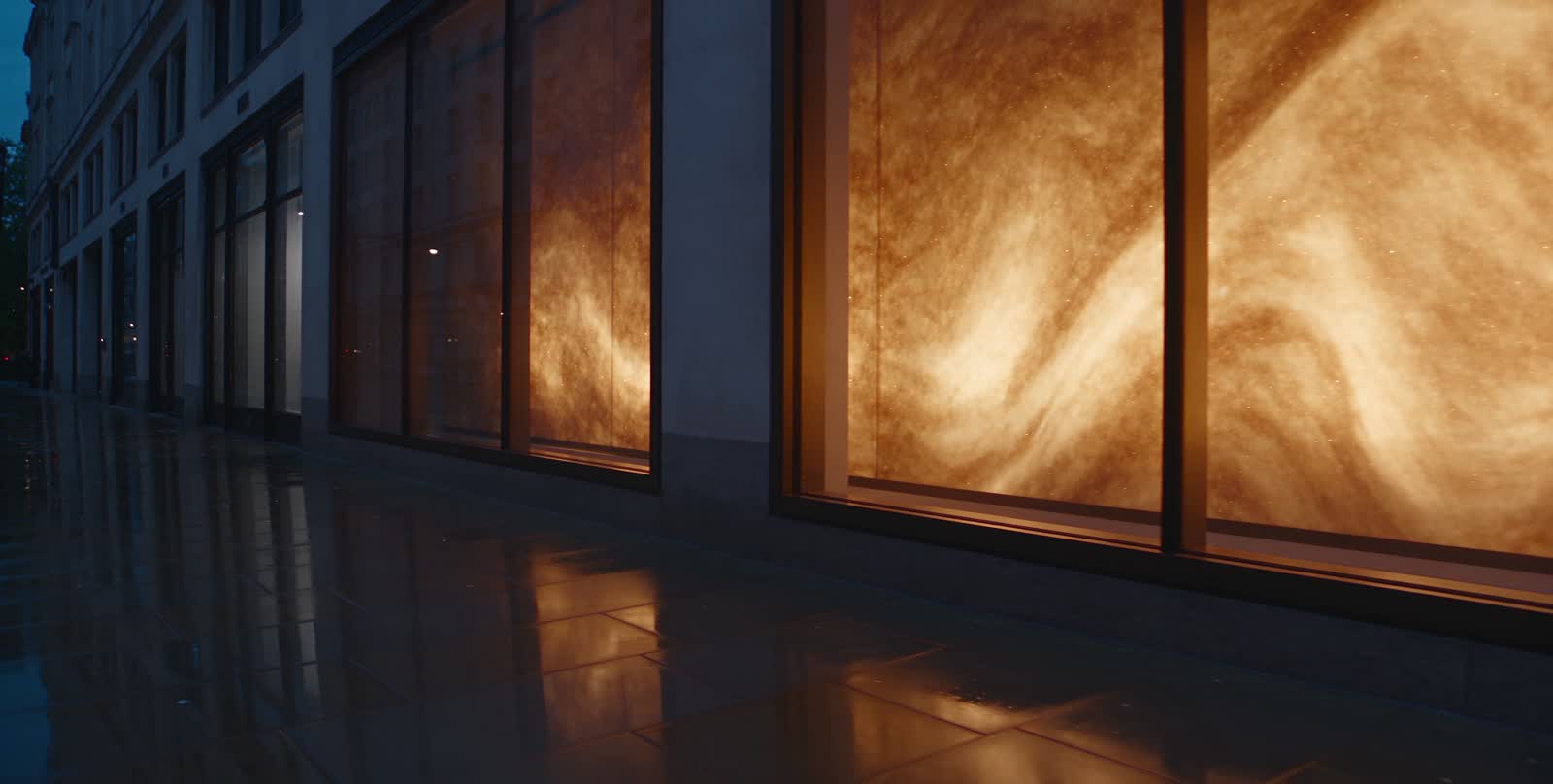
Make it stand out.
In a market where every competitor is one tab away, your shopfront has to earn the walk-in. Prestige LED Displays builds the storefront and in-store displays that turn foot traffic into footfall — and footfall into customers.
Storefront displays bright enough to still be readable at two in the afternoon.
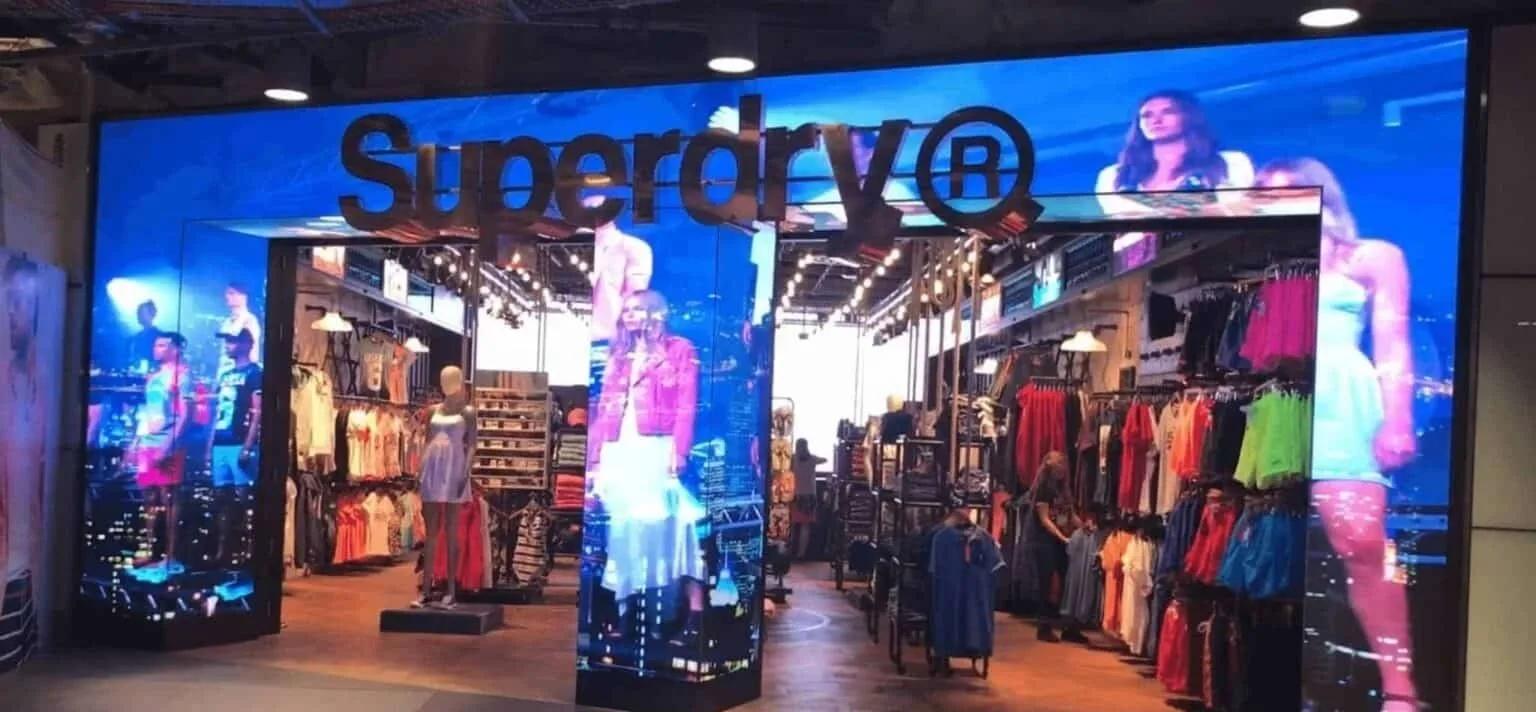
Store Frontage
Your window is a beacon, not a barrier. We design frontage displays with enough presence to cut through a crowded street and pull people across the threshold.
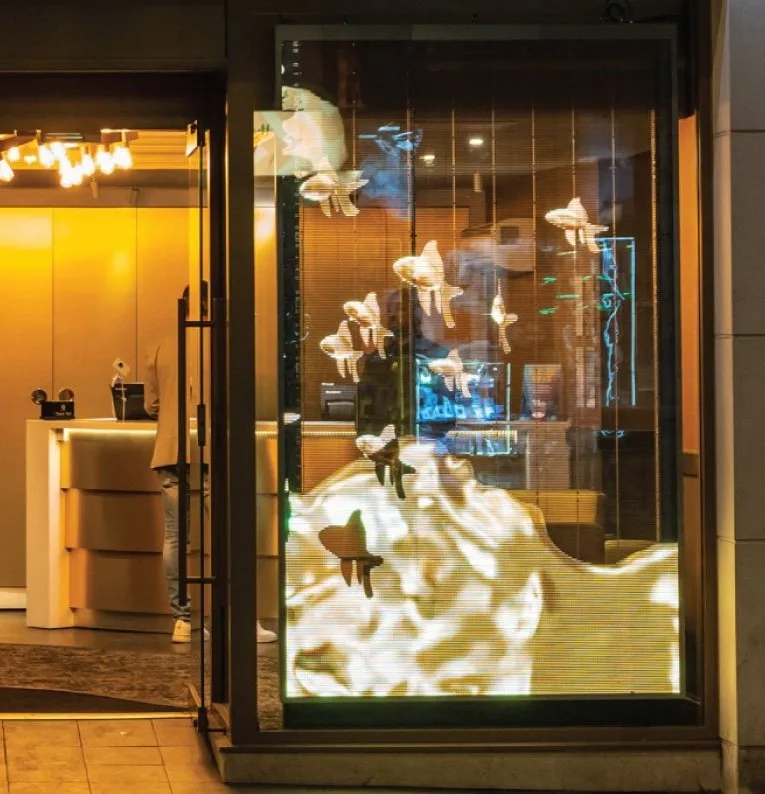
Transparent Window Displays
The crossover between a shop window and a video display. Transparent LED glass lets you promote and merchandise through the same pane customers already look through.
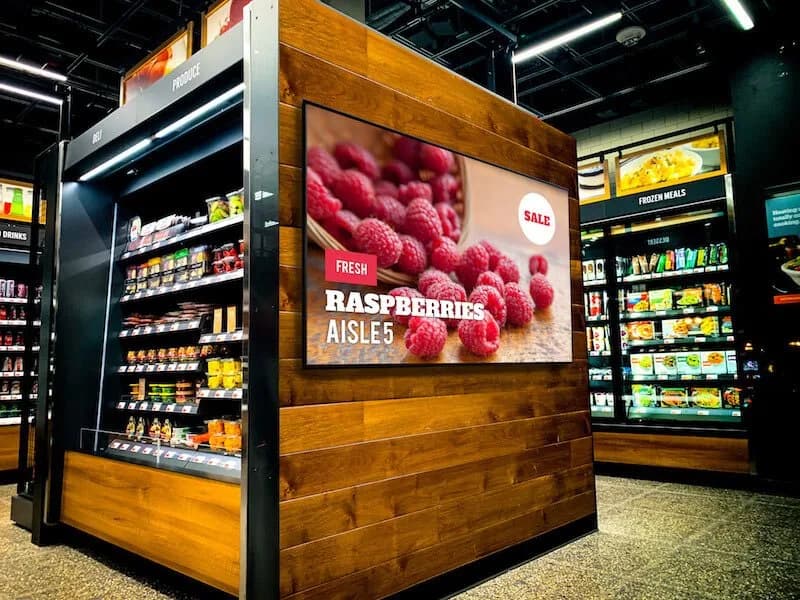
In-Store LED Signage Panels
Promotional signage for sales, wayfinding for departments and aisles — every panel in the store becomes dynamic, changing with the season or the campaign without a reprint.
The window has to earn the walk-in
A physical store competes with every online alternative that is one tab away, and it has a few seconds of a passer-by's attention to make its case. The window is where that happens.
Printed window graphics do one thing well and then keep doing it for months. They cannot show what arrived this week, they cannot change for the weather, and they cannot be different at nine in the morning than they are at six in the evening — which is when your customers are different people with different reasons to come in.
A window display that changes solves a merchandising problem, not a technology one. The question worth asking before you spend anything is how often you would actually change it, because that number is what determines whether this is worth doing.
Brightness is the decision everything else hangs on
This is the most expensive mistake in retail LED, and it is made constantly.
A screen facing out through glass is competing with daylight, and with reflections off the glass itself. It needs roughly five times the brightness of the same screen hung two metres behind it inside the shop — the practical band is 5,000 to 8,000 nits for a window versus 800 to 1,500 nits indoors.
Get it wrong and the screen is unreadable from mid-morning until late afternoon, which is most of your trading day. There is no fix short of replacing the panels, because you cannot make a panel brighter than it was built to be. Any supplier quoting a window installation without asking which way it faces is not specifying it — they are guessing.
Transparent LED, and the trade-off nobody mentions
Transparent LED glass is genuinely impressive: a window that merchandises and promotes through the same pane the customer already looks through, without boarding up the shopfront.
The trade-off is that transparency and brightness pull in opposite directions. A panel with high light transmission has less physical LED area to emit from, so it is inherently dimmer than a solid panel of the same pitch. High-transmission product looks superb in an evening high street and can struggle in direct afternoon sun on a south-facing frontage.
That is a solvable problem — it is a matter of choosing transmission and brightness against your actual aspect and street — but it needs deciding before anyone orders. It is worth walking your own frontage at two in the afternoon on a bright day before you specify anything.
Consents, landlords and listed frontages
Illuminated signage is regulated differently across Ireland and the UK, and the rules vary by local authority. Conservation areas, listed buildings and shopping-centre lease terms all commonly restrict illuminated frontage, sometimes including brightness limits after certain hours.
None of this is usually a blocker, but it is a lead-time item rather than a detail. Check with your local planning authority and read your lease before committing to a design, and build the consent timeline into the project rather than discovering it after the panels are ordered.
Where a consent is likely to be tight, an in-store installation set back from the window is often the pragmatic answer — it avoids the frontage question entirely while still giving you a surface that changes.
Five questions to ask any supplier
Including us. These are the ones where a vague answer costs money later.
Which way does the frontage face?
A south-facing window in direct afternoon sun is a fundamentally different specification from a north-facing one on a covered street.
How often will you really change the content?
Be honest. If the answer is twice a year, printed graphics may genuinely be the better commercial decision.
Have you read the lease and checked local consents?
Illuminated frontage is commonly restricted in conservation areas and shopping centres. Treat it as a lead-time item.
Where is the power coming from?
Window positions rarely have a suitable supply nearby, and the electrical work is a routinely underquoted line item.
Who makes the content?
A window screen looping the same fifteen seconds all season is worse than a good printed graphic, not better.
Work out your own numbers first
Free, no signup. You will get more out of a supplier conversation — ours included — if you walk into it already knowing roughly what you need.
Retail questions we get asked
- How bright does a shop window display need to be?
- Typically 5,000 to 8,000 nits for a screen facing out through glass, against 800 to 1,500 nits for the same screen indoors. The screen is competing with daylight and with reflections off the glass, and under-specifying brightness cannot be corrected afterwards without replacing the panels.
- Is transparent LED as bright as a solid panel?
- No, and that is inherent rather than a product flaw. Higher light transmission means less physical LED area to emit from, so transparent panels are dimmer than solid panels of the same pitch. The right balance depends on which way your frontage faces, which is why it needs deciding before anything is ordered.
- Do I need planning permission for an illuminated shop display?
- It depends on your local authority, and on whether the building is listed or in a conservation area. Rules differ across Ireland and the UK and can include brightness limits at certain hours. It is rarely a blocker, but check with your planning authority and read your lease before committing to a design.
- Will an LED window display fade in sunlight?
- A correctly specified panel will not visibly fade within its service life — panels are typically rated around 100,000 hours to half brightness. What does age a screen prematurely is running an under-specified panel at maximum output permanently, which is a specification failure rather than a material one.
Ready to bring this to your retail venue?
Tell us about the space and we'll come back with a display concept built for it.